
Introduction
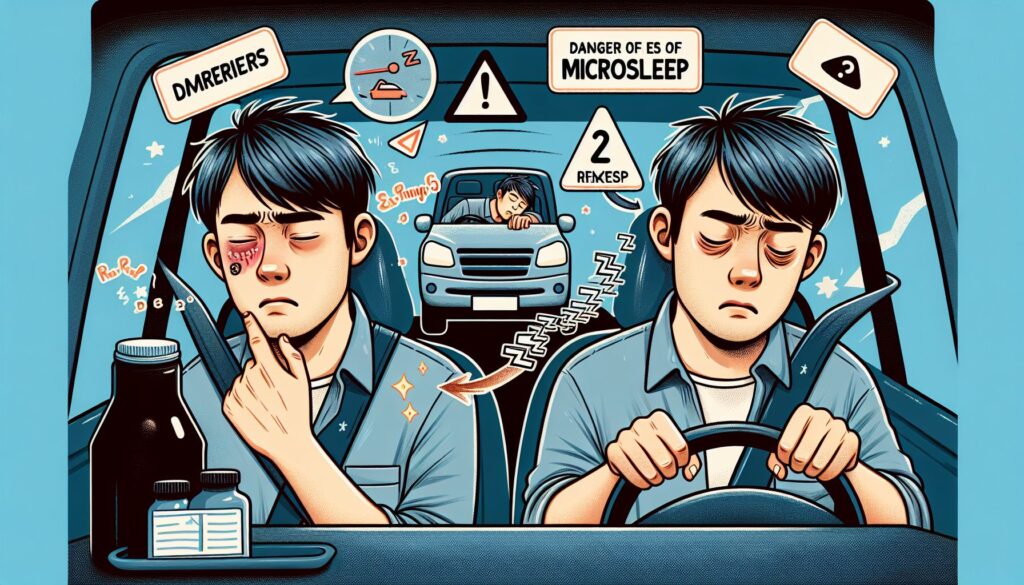
Microsleep while driving can be a serious hazard on the road, leading to accidents and endangering lives. It is crucial to understand the risks associated with microsleep and learn how to prevent it to ensure safety for yourself and others on the road.
What is Microsleep?
Microsleep is a brief episode of sleep that occurs involuntarily and can last for a few seconds to a minute. During microsleep, the brain enters a sleep state even while a person is awake, resulting in a loss of awareness and responsiveness. This can be particularly dangerous when driving, as it increases the risk of accidents due to impaired cognitive function and delayed reactions.
Dangers of Microsleep While Driving
Driving requires constant attention and focus to navigate the road safely. When microsleep episodes occur, drivers are at risk of losing control of their vehicles, drifting into other lanes, or even falling asleep at the wheel. This can have catastrophic consequences, leading to collisions, injuries, or even fatalities. According to the National Highway Traffic Safety Administration, drowsy driving contributes to thousands of accidents each year, highlighting the importance of addressing the dangers of microsleep.
How to Avoid Microsleep While Driving
1. Get Sufficient Rest: Ensure you get an adequate amount of sleep before embarking on a long journey. Fatigue increases the likelihood of experiencing microsleep episodes, so it is essential to be well-rested before getting behind the wheel.
-
Take Regular Breaks: To prevent fatigue and maintain alertness while driving, schedule regular breaks during your trip. Stop at rest areas or gas stations to stretch, walk around, and refresh yourself before continuing your journey.
-
Avoid Driving During Peak Sleepiness Hours: The risk of microsleep is higher during the early hours of the morning and late at night when your body’s natural sleep-wake cycle is at its lowest point. Try to avoid driving during these peak sleepiness hours to reduce the chances of experiencing microsleep.
-
Stay Hydrated and Avoid Heavy Meals: Dehydration and heavy meals can contribute to feelings of fatigue and drowsiness. Stay hydrated by drinking water regularly and opt for light, healthy snacks to maintain your energy levels while driving.
-
Listen to Music or Podcasts: Engaging in auditory stimuli can help keep your mind alert and focused while driving. Listen to music, podcasts, or audiobooks to stay engaged and prevent boredom or drowsiness.
-
Share Driving Responsibilities: If possible, share the driving duties with a passenger to take turns behind the wheel. This allows both drivers to rest and recuperate, reducing the risk of fatigue-related incidents during the journey.
Conclusion
Microsleep while driving poses a significant threat to road safety, increasing the risk of accidents and endangering lives. By understanding the dangers of microsleep and implementing preventive measures, drivers can protect themselves and others on the road from the perils of drowsy driving. Stay vigilant, prioritize rest, and remain alert to ensure a safe and secure driving experience for everyone.
References:
1. National Sleep Foundation
2. National Highway Traffic Safety Administration
To learn more about the dangers of microsleep while driving and how to avoid it, visit MARTAP.